Water After Heavy Rain
Rainwater may enter rooms, ceilings, walls, or lower levels after heavy rain or severe weather.
Heavy rain, wind-driven rain, roof or exterior openings, stormwater intrusion, flooded rooms, and wet walls or ceilings can all require a clear next step.
Call (855) 317-2617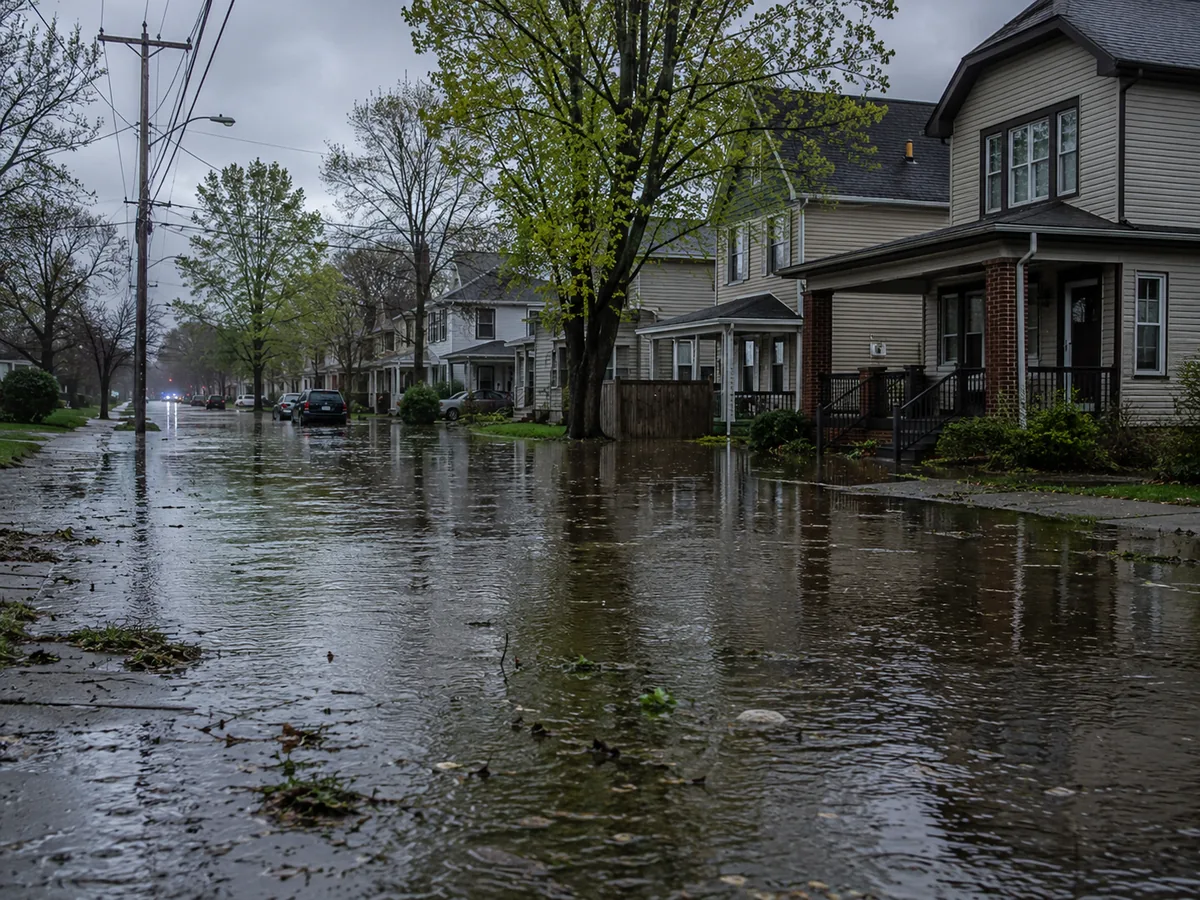
These situations can help you recognize when it may be useful to explore storm damage restoration information.
Rainwater may enter rooms, ceilings, walls, or lower levels after heavy rain or severe weather.
Storm damage or wind-driven rain may allow water through roofing, siding, windows, or other exterior openings.
Water stains, dripping ceilings, damp drywall, or spreading moisture can appear after a storm.
Stormwater may collect inside rooms, lower levels, or ground-level areas of the property.
Stormwater may move into ceilings, walls, insulation, flooring, cabinetry, and nearby rooms beyond the first visible leak.
Moisture can move into nearby materials and spaces after water enters through a roof, wall, window, or exterior opening.
Roof leaks, exterior openings, flooding, and wind-driven rain can create different cleanup and moisture-control needs.
Storm damage restoration information can help visitors understand water entry areas, wet materials, and moisture-control considerations.
Review where stormwater entered and which rooms, materials, and exterior areas may be affected.
Standing water may need to be removed from affected rooms, lower levels, floors, and nearby materials.
Wet ceilings, walls, flooring, insulation, and other materials can be reviewed for stormwater impact.
Moisture control and drying can help address dampness that remains after visible stormwater is removed.
Stormwater can affect more than the first visible area, making it useful to review the water entry point and affected materials.
Water entered after heavy rain, severe weather, or wind-driven rain.
Roof damage, siding damage, windows, or other exterior openings allowed water inside.
Ceilings, walls, drywall, or insulation are wet after a storm.
Stormwater collected in rooms, lower levels, basements, or ground-level areas.
Start with where the water entered, what storm conditions occurred, and which areas are affected, then use that information to explore the next step.
Share where the water entered, what storm conditions occurred, and which areas are affected.
The entry point, standing water, affected materials, and moisture spread can help determine the relevant service path.
Extraction, mitigation, drying, flood-related help, or other services may be appropriate depending on the conditions.
Water Extraction And Removal may help remove standing or pooled stormwater. Water Mitigation can help limit additional moisture impact and stabilize affected areas. Flood Damage Restoration information may also be useful when exterior floodwater is involved. Drying and dehumidification can help reduce moisture that remains in wet materials and spaces.
Removing standing or pooled stormwater may be relevant when affected rooms, lower levels, or materials still hold water.
Drying wet materials and managing remaining moisture can be part of the restoration process, not a standalone service page.
Choose the state where the property is located to explore Storm Damage Restoration information in that location.
Explore Storm Damage Restoration information for properties in Florida.
Explore Florida →Explore Storm Damage Restoration information for properties in Texas.
Explore Texas →Explore Storm Damage Restoration information for properties in Louisiana.
Explore Louisiana →Explore Storm Damage Restoration information for properties in North Carolina.
Explore North Carolina →Stormwater can affect roofs, ceilings, walls, windows, lower levels, floors, and commercial spaces.
Water may enter through damaged or compromised roof areas and affect ceilings below.
Wind-driven rain or exterior openings may affect walls, windows, trim, and insulation.
Stormwater may collect in basements, lower floors, and ground-level rooms.
Offices, retail areas, facilities, and other commercial spaces may also be affected by storm-related water. Explore Commercial Water Damage Restoration.
A few practical precautions can help visitors avoid unnecessary risks while deciding what to do next.
Do not enter water near exposed wiring, electrical equipment, or other electrical hazards.
Avoid wet ceilings, damaged walls, or heavily saturated materials that may be unstable.
Avoid unnecessary contact with floodwater or stormwater that may be contaminated.
Avoid entering damaged rooms until conditions can be assessed and it is safe to do so.
Clear answers to help visitors understand stormwater concerns and decide what to explore next.
Storm damage restoration information can help visitors understand stormwater intrusion, wet materials, water removal, and moisture-control considerations.
If it is safe to do so, avoid hazardous areas and call (855) 317-2617 to discuss where water entered and which areas are affected.
Yes. Stormwater can leave standing water or moisture in affected materials, making extraction or mitigation information relevant.
Roofs, ceilings, walls, windows, insulation, flooring, lower levels, and nearby rooms can all be affected by stormwater.
Storm damage can involve rain entering through roofs or exterior openings, while flood damage may involve rising or exterior floodwater. The source can change the cleanup considerations.
Call (855) 317-2617 to discuss the storm conditions, water entry point, and affected areas.